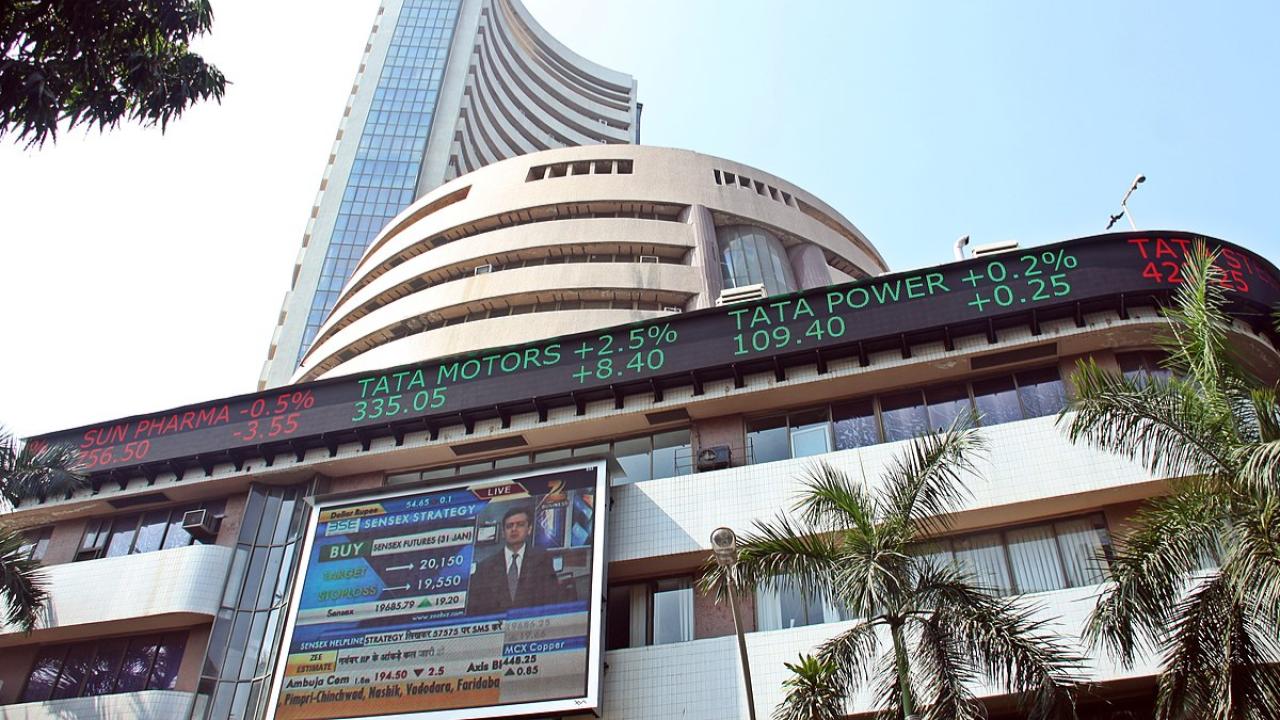
The economy of India has transitioned from a mixed planned economy to a mixed middle-income developing social market economy with notable state participation in strategic sectors. It is the world’s fifth-largest economy by nominal GDP and the third-largest by purchasing power parity (PPP). According to the International Monetary Fund (IMF), on a per capita income basis, India ranked 142nd by GDP (nominal) and 125th by GDP (PPP).
From independence in 1947 until 1991, successive governments followed Soviet style planned economy and promoted protectionist economic policies, with extensive state intervention and economic regulation. This is characterised as dirigism, in the form of the License Raj.[45][46] The end of the Cold War and an acute balance of payments crisis in 1991 led to the adoption of a broad economic liberalisation in India.
Since the start of the 21st century, annual average GDP growth has been 6% to 7%,[43] and from 2013 to 2018, India was the world’s fastest growing major economy, surpassing China.[49][50] Economy of the Indian subcontinent was the largest in the world for most of the recorded history up until the onset of colonialism in early 19th century. Share of Indian economy is 7.5% of world economy by PPP terms.
OnAir Post: Economy of India